What Is an Inguinal Hernia?
An inguinal hernia occurs when an organ, such as the intestine, protrudes through a weak spot in the inguinal region of the abdominal wall. This often leads to a visible bulge and may cause pain or discomfort, particularly during physical activity. It is a common condition, especially in males, and can require medical intervention to prevent complications.
Understanding the Anatomy
The inguinal region is where the lower abdominal muscles meet, forming the inguinal canal; In males, this canal houses the spermatic cord, while in females, it contains the ovarian ligament. Weakness or strain in this area can cause inner tissues to protrude, leading to a hernia. Understanding this anatomy is crucial for exercising safely and avoiding hernia-related complications. The abdominal muscles work together to support the inguinal canal, so strengthening them can help prevent hernia symptoms from worsening.

Types of Inguinal Hernias
There are two primary types of inguinal hernias: direct and indirect. A direct inguinal hernia occurs when tissue protrudes through the inguinal triangle, often in older adults due to muscle weakness. Indirect inguinal hernias involve the inguinal canal, where tissue extends into the scrotum. Some individuals may experience both types simultaneously, known as a composite hernia. Proper identification of the type is crucial for effective treatment and exercise planning.
Common Symptoms
Common symptoms of an inguinal hernia include a visible bulge or swelling in the groin or inguinal area, often accompanied by discomfort or pain, especially during physical activity, coughing, or straining. Pain may come and go, worsening with exertion. Some individuals may experience a pulling sensation or heaviness in the groin. In severe cases, hernias can cause nausea, vomiting, or inability to pass gas, signaling potential complications like obstruction or strangulation. Symptoms vary, but prompt medical attention is crucial if pain persists or increases.
The Role of Exercise in Hernia Management
Exercise plays a crucial role in managing inguinal hernias by strengthening the abdominal muscles and improving circulation. It helps reduce pressure on the hernia site, supporting overall recovery and preventing complications. Gentle activities are often recommended to enhance muscle tone and promote healing.
Strengthening the Pelvic Floor
Strengthening the pelvic floor is essential for managing inguinal hernias, as it helps reduce pressure on the abdominal wall. Exercises like Kegels, where you contract and relax the pelvic muscles, are often recommended. Begin with isometric tightening, holding for 5-10 seconds and repeating several times. Gradually increase intensity and duration as strength improves. Always avoid overexertion to prevent strain on the hernia site.
Strengthening the Transverse Abdominal and Oblique Muscles
Strengthening the transverse abdominal and oblique muscles is vital for supporting the abdominal wall and reducing hernia-related pressure. Exercises like planks and modified side bends can target these muscles effectively. Begin with controlled, isometric holds, gradually increasing duration and adding resistance with bands or weights. Focus on engagement without straining, as excessive force can exacerbate hernia symptoms. Regular practice helps stabilize the core and improve overall postural support.
Stretching and Flexibility
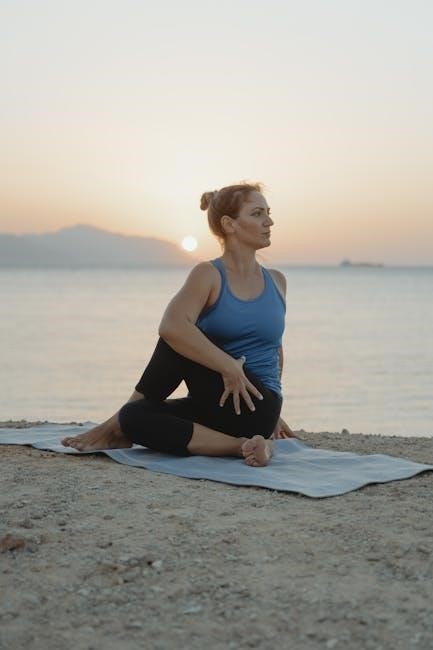
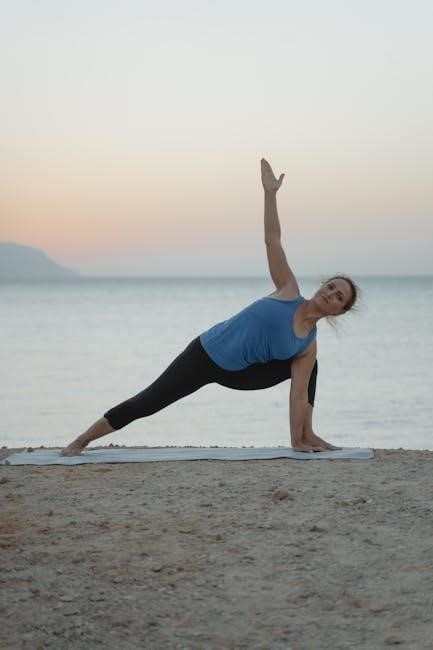
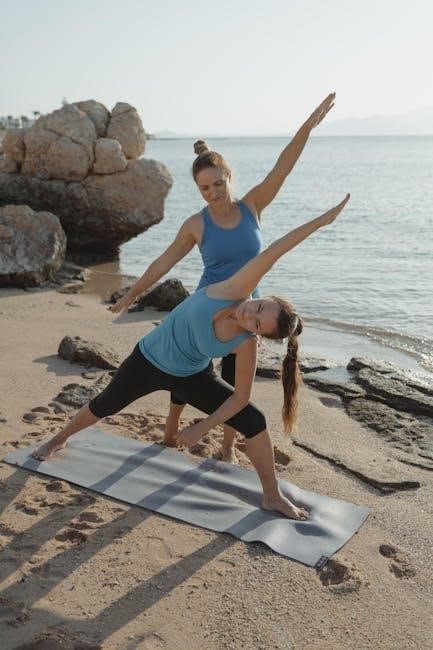
Stretching and flexibility exercises are essential for individuals with an inguinal hernia to enhance mobility and reduce strain on the affected area. Gentle stretches targeting the groin, hamstrings, and lower back help improve range of motion and flexibility without causing excessive pressure. Incorporating techniques like modified side stretches and hip flexor stretches can alleviate tightness and promote muscle balance. Always perform stretches slowly and within comfortable limits, avoiding forced movements that may exacerbate the hernia. Gradual progression and proper technique ensure safety and effectiveness in improving flexibility and supporting hernia management.
Exercise Recommendations Before Surgery
Engage in light cardio, such as walking, to maintain fitness without strain. Gentle stretching routines can improve flexibility while avoiding high-risk exercises like heavy lifting or intense sports. Always consult a healthcare professional to tailor your activity level safely before surgery.
Light Cardiovascular Activities
Light cardio activities, such as walking or swimming, can help improve circulation and reduce strain on the hernia. These exercises promote low-impact movement, minimizing pressure on the abdominal area. Stationary biking and using an elliptical machine are also safe options. Avoid high-impact activities that could worsen symptoms. Always prioritize comfort and gradually increase intensity to prevent overexertion.
Gentle Stretching Routines
Gentle stretching helps improve flexibility and reduce tension around the inguinal area. Focus on stretching the adductors, hamstrings, quadriceps, and piriformis muscles. Incorporate trunk rotations and hip movements to enhance mobility. Always prioritize proper alignment and avoid forced movements to prevent strain. Gradually increase the intensity but avoid overexertion; These stretches can be performed 2-3 times daily for optimal results. Consulting a healthcare professional before starting any stretching routine is recommended.
Avoiding High-Risk Exercises
Individuals with inguinal hernias should avoid exercises that strain the groin or abdomen, such as heavy lifting, weighted exercises, or activities that increase intra-abdominal pressure. Activities like intense abdominal workouts, contact sports, or repetitive bending should be avoided to prevent worsening symptoms. It’s crucial to consult a physician before resuming any exercise to ensure safety. Focus on low-intensity alternatives like light cardio or controlled core exercises in moderation.

Exercise Guidelines After Surgery
Adhere to a recovery timeline and begin with gentle exercises. Focus on strengthening core muscles and gradually increase intensity. Follow medical advice to avoid strain and ensure proper healing of the hernia repair.
Recovery Timeline for Physical Activity
After inguinal hernia surgery, recovery is gradual. For the first few days, rest is crucial to allow healing. Light activities like walking are recommended around 1–2 days post-surgery. Gentle stretching can begin within 1–2 weeks. Strengthening exercises typically start 2–6 weeks later, focusing on core stability. Avoid high-impact activities until cleared by a doctor to prevent strain or hernia recurrence.
Strengthening Exercises Post-Surgery
Post-surgical strengthening is essential for full recovery. Core exercises like pelvic floor exercises and transverse abdominal strengtheners should be prioritized. Gentle movements, such as controlled breathing and isometric holds, help rebuild strength without strain. Avoid high-intensity exercises until cleared by a healthcare professional. Gradual progression ensures safe recovery and reduces the risk of hernia recurrence.
Core Strengthening Techniques
Core strengthening is crucial for improving stability and preventing hernia recurrence. Focus on gentle exercises like pelvic tilts, bird dogs, and controlled breathing to engage the transverse abdominis. Plank variations and bridges can also be performed without strain. Incorporate stability balls or resistance bands for added support. Avoid rapid movements or heavy lifting until fully healed. Proper form and gradual progression are key to building strength safely and effectively.
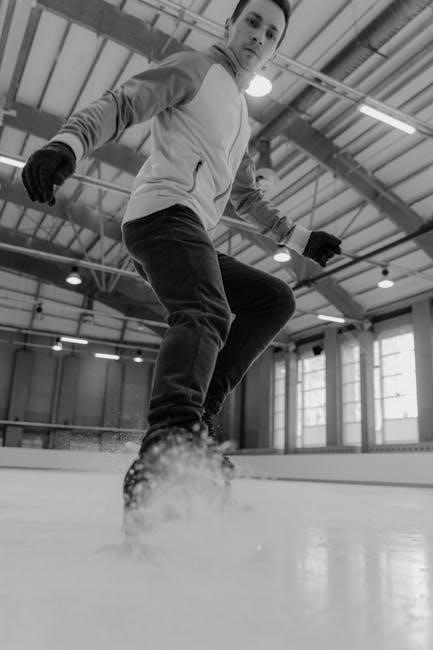
Specialized Exercises for Inguinal Hernia
Specialized exercises focus on improving pelvic alignment and strengthening the lower abdominal muscles. Gentle stretching, pelvic floor muscle exercises, and controlled core movements can help reduce strain and promote healing. Avoid heavy lifting or activities that increase intra-abdominal pressure. Consult your healthcare provider before starting any exercise routine to ensure safety and effectiveness.
Pelvic Floor Muscle Exercises
Pelvic floor exercises are crucial for strengthening the muscles that support the inguinal area. These exercises, often referred to as Kegels, involve contracting and relaxing the pelvic floor muscles. Regular practice can improve muscle tone and reduce pressure on the inguinal canal. Techniques include bridging, which engages the pelvic floor, and exercises like rolling movements to gently activate the muscles. Always consult a healthcare professional before starting these exercises to ensure proper form and avoid strain during recovery.
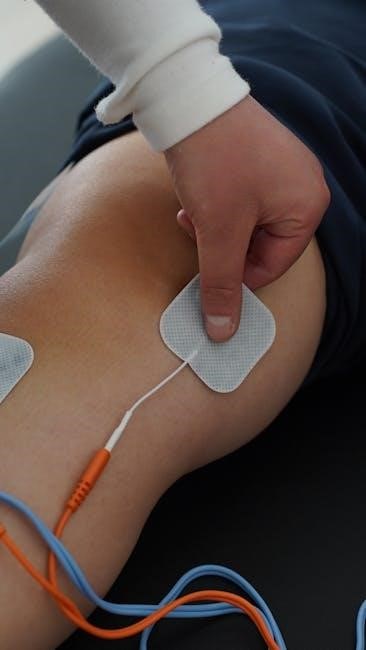
Transverse Abdominal Strengthening
Strengthening the transverse abdominis muscles is vital for supporting the inguinal area, especially in managing or preventing inguinal hernias. Exercises such as the drawing-in maneuver, where you engage your deep core muscles by pulling your belly button towards your spine, effectively target these muscles. Additionally, gentle plank variations and controlled yoga poses like cat-cow can enhance core stability without straining the inguinal region. It’s crucial to avoid exercises that increase intra-abdominal pressure, such as heavy lifting or crunches. Consulting a healthcare professional or physical therapist is recommended to ensure safe and effective practice, particularly post-surgery. Incorporating these exercises into a rehabilitation routine can aid recovery and help prevent future hernias by reinforcing core strength and stability.
Adductor and Hamstring Stretches
Stretching the adductor and hamstring muscles can be beneficial for individuals with inguinal hernias by improving flexibility, reducing muscle tension, and potentially aiding in the management of the condition; Here are some safe and effective stretches that can be incorporated into a routine:
- Seated Adductor Stretch: Sit on the floor with your legs spread wide apart. Reach out to each foot with the opposite hand, holding each stretch for 20-30 seconds. This helps in stretching the adductor muscles.
- Supine Figure-Four Stretch: Lie on your back with one ankle placed over the opposite knee. Gently press down on the unaffected leg to stretch the adductors. Hold for 20-30 seconds per side.
- Seated Hamstring Stretch: Sit on a chair with one leg extended straight out, heel on the floor. Gently lean forward from the hips to stretch the hamstrings. Hold for 20-30 seconds per leg.
When performing these stretches, it is important to:
- Use controlled movements to avoid sudden jerking, which could strain the inguinal area.
- Breathe deeply and relax into the stretch to enhance comfort and effectiveness.
- Avoid any exercises that increase intra-abdominal pressure or strain on the abdominal muscles.
These stretches should be performed 2-3 times per week, with each stretch held for the recommended duration. Consulting with a healthcare professional or physical therapist is advised to ensure the stretches are appropriate and effective for your specific condition.
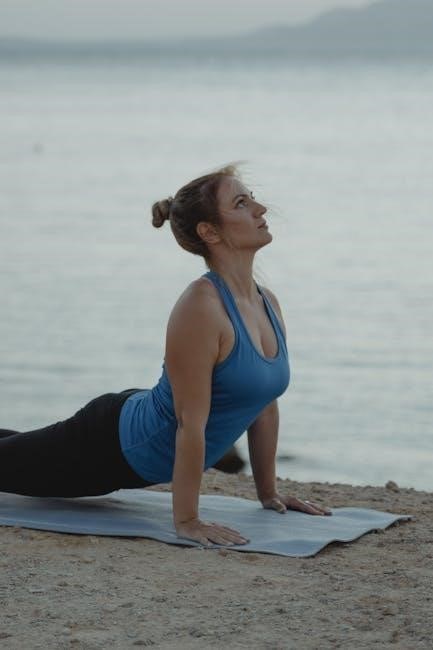
Common Mistakes to Avoid
Avoid overexertion, lifting heavy weights, and straining during exercises. Use proper form to prevent further injury. Always listen to your body and avoid exercises that cause pain or discomfort.
Overexertion and Strain
Overexertion and strain can worsen an inguinal hernia by increasing abdominal pressure. Avoid heavy lifting, intense straining, or activities that stress the groin area. Focus on controlled movements and proper form during exercises. Always prioritize low-impact activities as recommended by your healthcare provider to prevent further complications.
Incorrect Exercise Techniques
Incorrect exercise techniques can exacerbate inguinal hernia symptoms by putting undue stress on the weakened abdominal muscles. Lifting weights improperly, using excessive force, or performing exercises without proper form can strain the groin and abdomen. Always ensure controlled movements and avoid twisting or overreaching. Working with a physical therapist or trainer can help you master correct techniques to safely strengthen the area without risking hernia complications.
Ignoring Pain Signals
Ignoring pain signals during exercise with an inguinal hernia can lead to severe complications, such as increased pressure on the weakened abdominal wall or tearing of surrounding tissues. Pushing through discomfort or dismissing warning signs like sharp groin pain may worsen symptoms or delay recovery; Always heed your body’s cues and modify or stop exercises if pain occurs. Resuming intense activities too soon or ignoring biopsy symptoms can hinder healing and exacerbate the hernia. Pay close attention to any unusual sensations and consult a healthcare professional if pain persists or worsens during or after exercise.
When to Consult a Healthcare Professional
Seek medical advice if pain worsens during or after exercise, as it could signal hernia complications. If you experience increased swelling, redness, or nausea, consult your doctor immediately. Exercise-related discomfort post-surgery should also prompt professional evaluation to ensure proper recovery.
Signs of Complications
If you experience severe pain, swelling, or redness around the hernia site, seek medical attention immediately. Trouble passing gas or having a bowel movement may indicate a strangulated hernia, requiring urgent care. Nausea, vomiting, or fever are also critical warning signs that warrant an emergency consultation. Ignoring these symptoms can lead to serious complications, such as tissue death or infection.
Exercise-Related Pain and Hernia Symptoms
Exercise can sometimes worsen inguinal hernia symptoms. Hernias may cause discomfort, pressure, or a noticeable bulge during physical activity, especially lifting or straining. Sharp pains or pulling sensations in the groin or scrotum may indicate a strained hernia. Additionally, numbness or tingling in the area could signal nerve involvement. If exercise triggers persistent pain or worsens symptoms, it’s crucial to modify your routine or seek medical advice to prevent further complications.
Post-Surgical Exercise Clearance
Before resuming exercise after inguinal hernia repair, consult your surgeon or healthcare provider for clearance. Avoid rushing back, as the surgical site needs adequate time to heal. Follow their guidance on when to start light activities like walking or gentle stretching. Gradually reintroduce low-impact exercises, focusing on strengthening without straining. Modify routines as needed to avoid discomfort or complication risks. Always prioritize safety and adhere to medical recommendations to ensure a smooth recovery and prevent.
Exercise plays a crucial role in managing and recovering from inguinal hernias, yet it is essential to adhere to medical guidance to prevent strain and ensure a smooth rehabilitation process. Proper techniques and medical consultation are vital for effective recovery and long-term management.
Inguinal hernias occur when abdominal organs protrude through weak spots in the inguinal region. They can cause pain and require medical attention. Managing hernias involves tailored exercises, including pelvic floor strengthening, transverse abdominal exercises, and gentle stretching. Post-surgery, gradual reintroduction of activity and core strengthening are crucial. Always consult healthcare professionals for personalized guidance to ensure safe and effective hernia management.
Final Recommendations
After inguinal hernia treatment, prioritize a gradual return to activity, avoiding heavy lifting or straining. Consult healthcare professionals for personalized guidance on exercise and recovery. Incorporate strengthening exercises for the pelvic floor, transverse abdominals, and core muscles. Maintain a balanced exercise routine to prevent recurrence. Always listen to your body, and stop if pain occurs. Follow medical advice to ensure safe and effective post-surgery outcomes.