Manual Handling Course: A Comprehensive Guide

This comprehensive course delivers vital training for preventing injuries related to lifting, carrying, and moving objects, addressing legal obligations and industry-specific needs.
What is Manual Handling?
Manual handling encompasses any activity requiring the use of force exerted by a person to lift, lower, push, pull, carry, or otherwise move, hold or restrain an object. It’s an integral part of numerous jobs, particularly within sectors like construction, logistics, healthcare, and aged care facilities. These tasks, seemingly routine, present significant risks if not performed correctly.
The scope extends beyond simply lifting heavy items; it includes repetitive movements, awkward postures, and prolonged physical exertion. In the waste and recycling industry, for example, it’s identified as the single biggest cause of workplace injuries. Effective manual handling training focuses on recognizing these risks and implementing safe practices to minimize potential harm to workers, ensuring a safer and more productive work environment for all.
Why is Manual Handling Training Important?
Manual handling training is critically important for preventing musculoskeletal injuries, which are a leading cause of workplace absence. It’s not merely a best practice, but often a legal requirement for employers to protect their workforce. Training equips individuals with the knowledge to identify risks associated with lifting and moving objects, and to apply safe techniques.
Furthermore, it reduces the likelihood of costly compensation claims and lost productivity. The training ensures staff are skilled in safe practices, especially vital in aged care settings. Emerging technologies, like AI and wearables, now allow for real-time monitoring and personalized feedback, enhancing training effectiveness and proactively preventing injuries before they occur, fostering a safer and healthier workplace.
Legal Requirements for Manual Handling Training
Employers have a legal duty to protect employees from harm, and this extends to manual handling risks. Guidance documents outline responsibilities for identifying hazardous tasks and providing adequate training. While specific regulations vary, a proactive approach to manual handling safety is universally mandated.
Failure to comply with these requirements can result in significant penalties and legal repercussions. Training must be suitable and sufficient, covering risk assessments, safe lifting techniques, and the proper use of available aids. Regular refresher courses are also crucial to maintain competency. Demonstrating a commitment to employee safety through comprehensive training is essential for legal compliance and ethical workplace practices.
Common Manual Handling Injuries
Manual handling tasks frequently contribute to a range of musculoskeletal injuries. Back injuries are particularly prevalent, stemming from improper lifting or repetitive strain. These can range from muscle sprains and strains to more severe disc problems. Beyond the back, Musculoskeletal Disorders (MSDs) affect muscles, tendons, and ligaments throughout the body.
These disorders commonly manifest in the upper limbs, shoulders, and neck. The waste and recycling industry experiences a high incidence of manual handling-related injuries, leading to significant time off work. Understanding these common injury patterns is crucial for implementing preventative measures and promoting a safer working environment for all personnel.
Back Injuries
Back injuries represent a significant portion of all manual handling-related incidents. These injuries arise from various factors, including improper lifting techniques, excessive loads, and repetitive movements. Common back injuries encompass muscle strains, ligament sprains, and more serious conditions like herniated or slipped discs. These can cause acute pain, limiting mobility and impacting quality of life.
Preventing back injuries requires a thorough understanding of biomechanics and safe lifting practices. Training should emphasize maintaining a straight back, bending the knees, and keeping the load close to the body. Early intervention and ergonomic assessments are vital to mitigate risk and protect worker wellbeing.
Musculoskeletal Disorders (MSDs)
Musculoskeletal Disorders (MSDs) encompass a wide range of conditions affecting muscles, nerves, tendons, ligaments, joints, and cartilage. Manual handling tasks are a primary contributor to MSDs, often developing gradually due to repetitive strain or forceful exertions. Symptoms include pain, stiffness, swelling, and reduced range of motion, impacting a worker’s ability to perform tasks effectively.
Effective manual handling training focuses on identifying risk factors and implementing preventative measures. This includes proper workstation setup, task rotation, and encouraging regular breaks. Addressing MSDs proactively minimizes discomfort, reduces lost workdays, and promotes a healthier, more productive workforce. Early reporting of symptoms is crucial for timely intervention.
Risk Assessment in Manual Handling
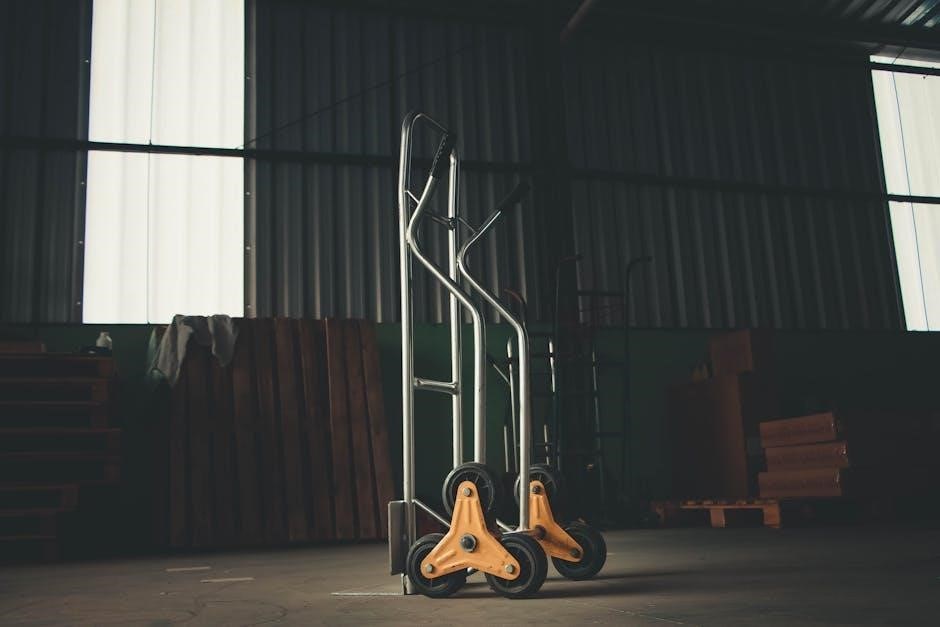
A thorough risk assessment is fundamental to a safe manual handling program. This process involves identifying tasks that pose a risk, evaluating the level of risk, and implementing control measures to reduce it. Key factors to consider include the weight of the load, the frequency and duration of the task, the posture adopted, and the environmental conditions.
The assessment should involve consultation with workers who perform the tasks, leveraging their practical experience. Control measures may include modifying the task, providing mechanical aids, or implementing administrative controls like job rotation. Regular review and updating of the risk assessment are essential to ensure its continued effectiveness.
Principles of Safe Manual Handling
Adhering to core principles is crucial for minimizing risk during manual handling tasks. Prior planning is paramount – assess the load, the route, and potential obstacles before lifting. Maintaining a neutral spine and keeping the load close to the body reduces strain. Avoiding twisting at the waist and sudden, jerky movements protects against injury.
Utilize your legs, not your back, for lifting power. Obtain assistance for loads that are too heavy or awkward to handle alone. Proper footwear and appropriate clothing contribute to stability and grip. Remember, safe manual handling is about working smarter, not just harder.
Plan Your Lift
Before attempting any lift, a thorough assessment is essential. Consider the weight and size of the object – can you comfortably manage it? Evaluate the route; are there obstructions, uneven surfaces, or tight spaces? Ensure a clear pathway to the destination. Think about where you’ll place the load, confirming the receiving area is stable and accessible.
If assistance is needed, request it before starting. Break down large loads into smaller, more manageable portions if possible. Pre-position yourself for a stable stance, feet shoulder-width apart. A well-planned lift minimizes strain and significantly reduces the risk of injury.
Keep the Load Close to Your Body
Maintaining the load’s proximity to your center of gravity is paramount for safe lifting. The further away the object, the greater the strain on your back and core muscles. Hug the load tightly, utilizing its weight to maintain balance. This minimizes leverage and reduces the stress placed upon your musculoskeletal system.
Avoid extending your arms outwards while lifting or carrying. A close hold provides better control and stability. This principle applies to all lifting tasks, regardless of the object’s size or weight. Remember, a compact posture is key to protecting your spine and preventing potential injuries during manual handling operations.

Avoid Twisting and Jerky Movements
Smooth, controlled movements are crucial when performing manual handling tasks. Twisting at the waist while lifting or carrying significantly increases the risk of spinal injury. Instead, pivot your feet to change direction, keeping your body aligned. Jerky motions can also create sudden stress on muscles and joints, leading to strains or sprains.
Maintain a stable base and avoid sudden pulls or pushes. Plan your movements beforehand to ensure a clear path and minimize the need for awkward adjustments. Controlled lifting and lowering techniques are essential for protecting your body. Remember, slow and steady wins the race when it comes to safe manual handling practices.

Manual Handling in Specific Industries
Manual handling risks vary significantly across different sectors. In healthcare and aged care, assisting patients with mobility presents unique challenges, requiring specialized techniques to protect both caregiver and patient. Construction workers frequently lift heavy materials, demanding rigorous training on proper lifting procedures and load securing.
Logistics and warehousing involve repetitive lifting, carrying, and stacking, increasing the risk of musculoskeletal disorders. The waste and recycling industry faces particularly high injury rates due to the awkward postures and heavy loads involved. Tailored training programs addressing industry-specific hazards are vital for ensuring worker safety and minimizing the potential for injury.
Healthcare & Aged Care
Healthcare and aged care settings present unique manual handling challenges. Workers frequently assist patients with mobility, transfers, and repositioning, requiring specialized techniques to prevent injuries to both staff and residents. Safe manual handling training in these environments emphasizes minimizing strain, utilizing assistive devices, and understanding individual patient needs.
Residential and community aged care necessitate comprehensive training for all personnel. Courses cover proper body mechanics, safe transfer techniques, and risk assessment specific to patient handling. Prioritizing safe practices reduces the risk of musculoskeletal disorders and ensures a secure environment for both caregivers and those receiving care.
Construction
Construction sites are inherently demanding environments with significant manual handling requirements. Workers routinely lift, carry, and maneuver heavy materials – bricks, lumber, concrete – increasing their risk of injury. Manual handling courses tailored for construction focus on recognizing hazards associated with these tasks and implementing preventative measures.
Effective training emphasizes proper lifting techniques, team lifting strategies, and the safe use of mechanical aids. Understanding load weight limits, maintaining a stable base, and avoiding awkward postures are crucial. Prioritizing ergonomic principles and adhering to site-specific safety protocols minimizes the potential for back injuries and musculoskeletal disorders among construction personnel.
Logistics & Warehousing
Logistics and warehousing environments involve repetitive manual handling tasks – loading, unloading, stacking, and moving goods. These repetitive actions, combined with potentially awkward postures and heavy loads, create a high risk of injury for warehouse staff and delivery personnel. Manual handling courses designed for this sector prioritize hazard identification and risk mitigation.
Comprehensive training covers safe pallet handling, proper use of forklifts and other equipment (even if not operated by the trainee, awareness is key), and ergonomic principles for minimizing strain. Emphasis is placed on planning routes to avoid obstacles, utilizing team lifts when necessary, and reporting any potential hazards to supervisors, fostering a safer working environment.
Personal Protective Equipment (PPE) for Manual Handling
Effective manual handling training extends beyond technique to include appropriate Personal Protective Equipment (PPE). While PPE doesn’t eliminate risks, it significantly reduces injury severity. Courses emphasize site-specific requirements, as PPE needs vary greatly depending on the task and environment.

Essential PPE often includes sturdy, closed-toe footwear with good grip, work gloves to improve handling and protect against abrasions, and back support belts (though their effectiveness is debated, training should cover proper use and limitations). Training also covers the importance of high-visibility clothing in busy environments and ensuring PPE fits correctly for optimal protection and comfort, promoting a proactive safety culture.
The Role of Technology in Manual Handling Safety
Modern manual handling courses increasingly integrate discussions on technological advancements enhancing workplace safety. Previously, real-time, simultaneous monitoring of worker movements was impossible, but AI and wearable technology are changing this. Personalized technology now allows workers to monitor their own movements and receive immediate feedback on safe lifting techniques.
This provides continuous, on-the-job training, reinforcing concepts learned in formal courses and preventing injuries; Systems can identify risky postures or movements, alerting the worker and potentially supervisors. Data analysis from these technologies also helps employers identify high-risk tasks and refine training programs for maximum effectiveness, creating a safer work environment.
On-Site Training and Assessment
Effective manual handling courses benefit significantly from practical, on-site training components. This allows participants to apply learned principles directly to their specific work environment and tasks. Site-specific PPE requirements and potential hazards should be thoroughly reviewed during these sessions, ensuring relevance and practicality.
Assessment should move beyond theoretical knowledge, incorporating observation of actual lifting and carrying techniques. This hands-on evaluation identifies areas for improvement and confirms competency. Regular on-site refreshers reinforce best practices and address any evolving risks, solidifying a culture of safety and minimizing the potential for workplace injuries.
Developing a Manual Handling Policy
A robust manual handling policy is crucial for establishing a safe working environment and demonstrating a commitment to employee wellbeing. This policy should clearly outline procedures for risk assessment, safe lifting techniques, and reporting of potential hazards. It must align with relevant legal requirements and industry best practices, providing a framework for consistent application across the organization.
The policy should detail responsibilities for both employers and employees, emphasizing the importance of ongoing training and assessment. Regular review and updates are essential to reflect changes in work processes or legislation, ensuring continued effectiveness in preventing manual handling related injuries and promoting a proactive safety culture.
Refresher Training & Updates
Regular refresher training is paramount to reinforce safe manual handling practices and address evolving workplace dynamics. Initial training provides a foundation, but knowledge and skills can diminish over time, or new risks may emerge with changes in tasks or equipment. Periodic updates ensure employees remain competent and aware of current best practices.

These updates should cover legislative changes, new technologies impacting handling safety – like wearable tech for movement monitoring – and lessons learned from incident investigations. Consistent reinforcement, coupled with practical assessments, solidifies understanding and promotes a proactive safety culture, minimizing the risk of musculoskeletal disorders and ensuring ongoing compliance.
Resources for Manual Handling Information

Numerous resources are available to support ongoing manual handling safety education and compliance. Organizations like Acorns offer comprehensive courses, including those focused on people handling and health & safety, providing accredited training programs. Government health and safety websites deliver guidance on legal requirements and risk management strategies.
Industry-specific bodies often publish tailored resources addressing unique manual handling challenges within sectors like healthcare, construction, and logistics. Accessing these materials – including guidance documents, training videos, and best practice examples – empowers employers and employees to proactively mitigate risks and foster a safer working environment. Staying informed is crucial for continuous improvement.